Python Virtual Environments Explained: How to Create and Use venv Step by Step
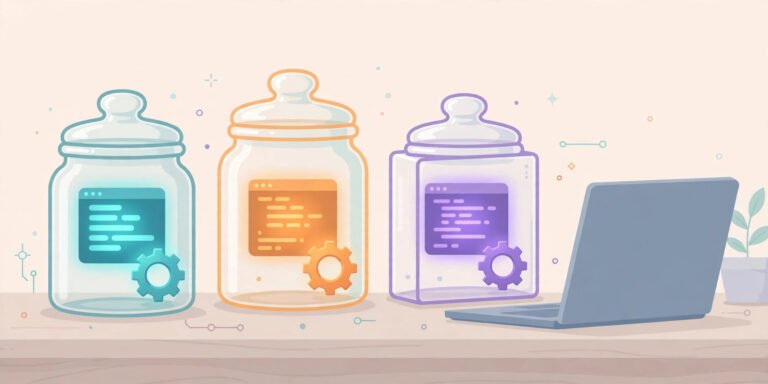
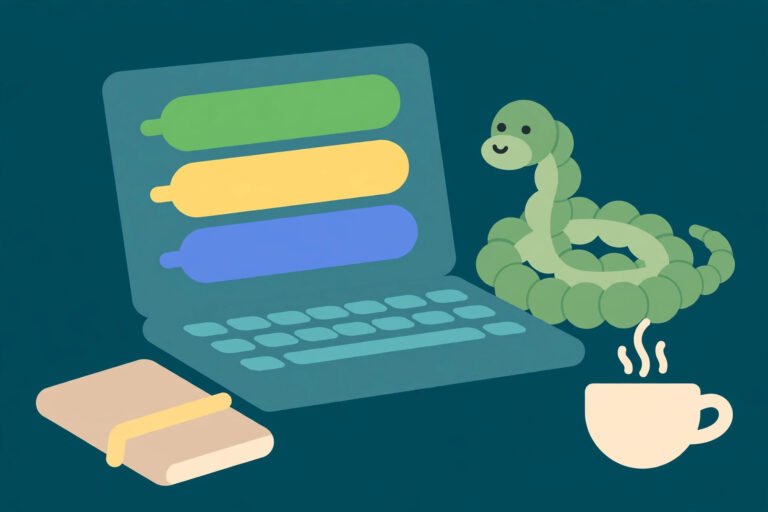
A Python virtual environment (venv) keeps each project’s libraries separate so they never clash. Learn to create, activate and use venv on Windows, step by step.

Beginner-friendly explainers and step-by-step guides for core programming concepts, languages and tools.
A Python virtual environment (venv) keeps each project’s libraries separate so they never clash. Learn to create, activate and use venv on Windows, step by step.

Seeing the ‘pip is not recognized’ error in Python on Windows? Fix it step by step: the quick py launcher method, repairing the PATH, and the manual fix — plus how to stop the error coming back.
Databases power almost every app you use, and a handful of queries handle most everyday work. This guide explains tables, rows and the essential queries with clear, practical examples.
Almost every app on your phone quietly exchanges information with other computers. This guide explains that conversation in plain words, with real examples of requests, responses and status codes.
JavaScript can feel endless when you try to learn everything at once. This roadmap gives a sensible order, from variables and functions to the DOM and fetch, with small projects to practise on.
Python is friendly for beginners, but a clear order still matters. This roadmap moves from setup and core building blocks to daily practice and finished projects, so you always know what to learn next.
Tutorials show you syntax, but a finished project teaches you how to start, struggle and finish. This guide helps you choose a small, realistic idea and build it to completion.
Version control stops a small mistake from becoming a lost project. This guide walks through setting up Git, saving versions safely and sharing work on GitHub with confidence.
Learning to code works best with one language, steady daily practice and small finished projects. This guide lays out a simple 90-day plan for building those habits.
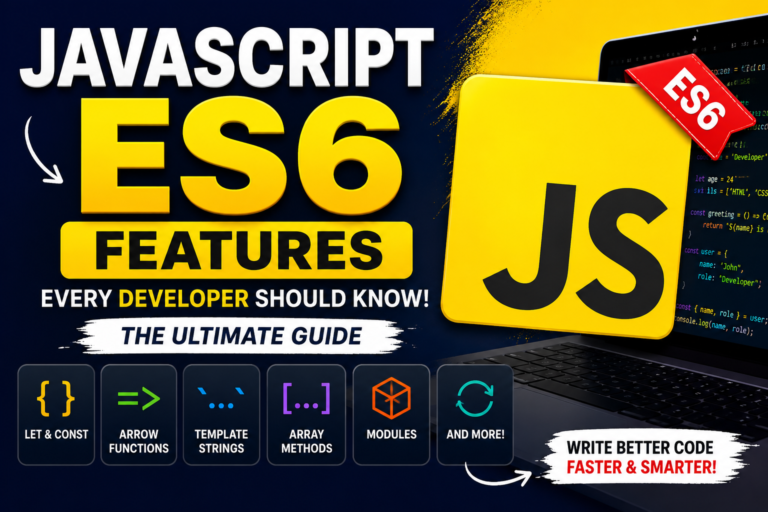
Modern JavaScript reads very differently from older code, thanks to a set of features introduced in 2015. This guide explains arrow functions, block-scoped variables, template literals, destructuring, spread and promises with clear examples.